What Kintsugi Taught Me About Money and Life?
For many years, I worked in banking. Like many people in the financial industry, I spent much of my time focused on numbers, performance, and goals. Promotions brought new opportunities, but over time I found myself asking a question that many people quietly carry:
Is this all there is? After nearly a decade in banking, I decided to step away and take a different path.
That decision eventually led me to Japan and the Shikoku 88-Temple Pilgrimage, a journey of more than 1,200 kilometers. Along the way, I met countless strangers who offered small acts of kindness—tea, fruit, encouragement, and conversation.
These gestures may have seemed ordinary, but they reminded me of something important.
Value is not always measured in money.
Sometimes, the things that matter most are generosity, connection, and human kindness.
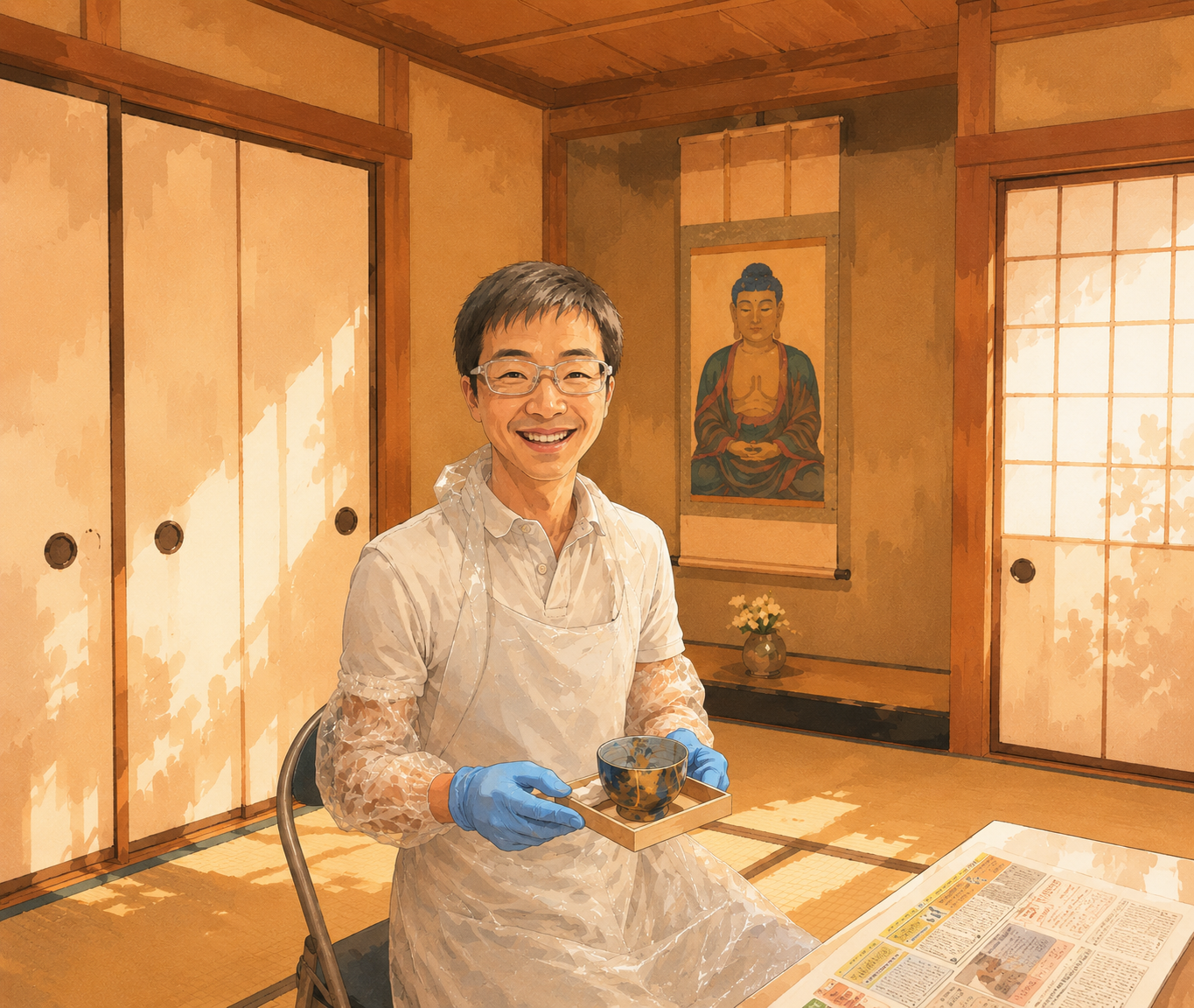
When the pilgrimage ended, I arrived in Kyoto. There, by chance, I was introduced to an elderly Kintsugi craftsman.
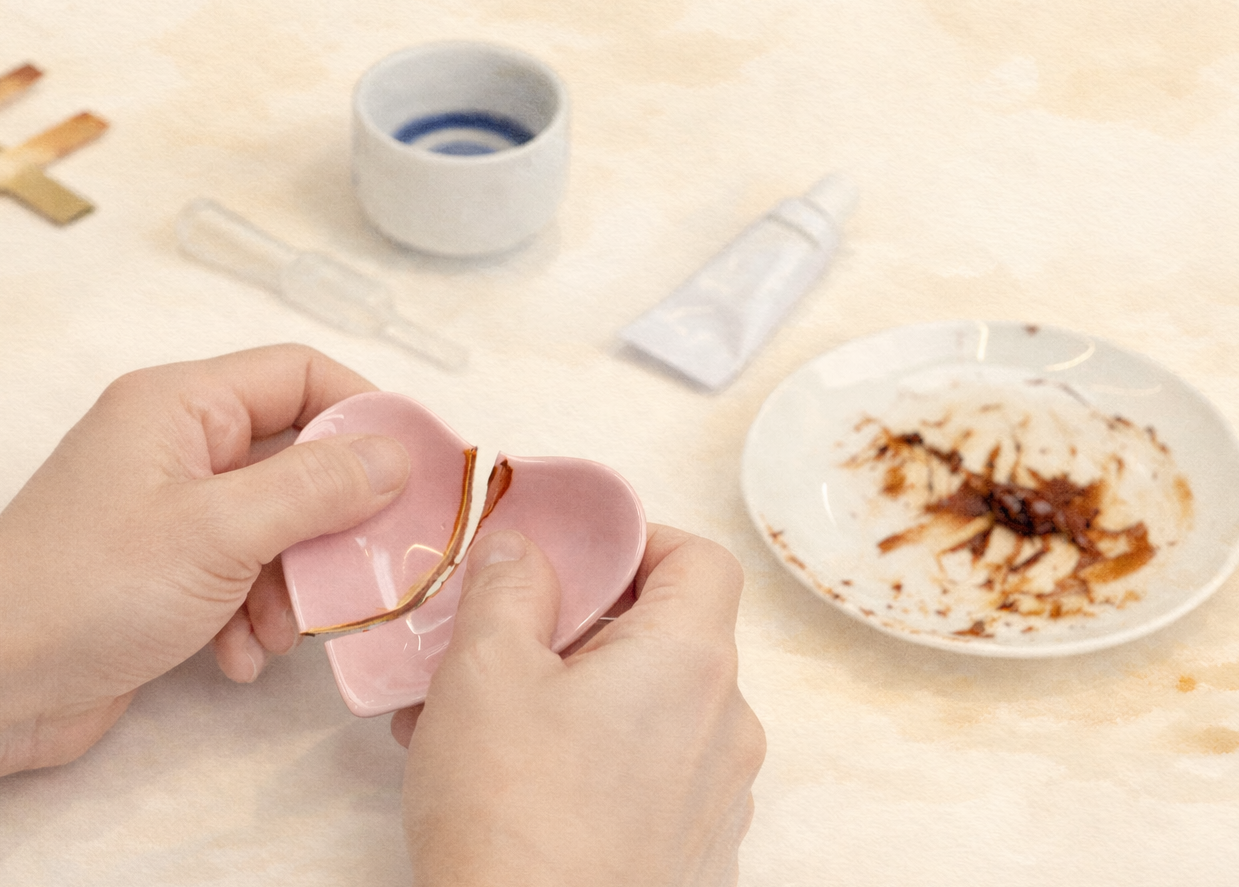
Kintsugi is the traditional Japanese art of repairing broken pottery with lacquer and gold. Instead of hiding the cracks, Kintsugi highlights them. The repaired object becomes a celebration of its history rather than an attempt to erase it.
I still remember the first bowl we repaired together.
As gold was carefully brushed into the fractured lines, something unexpected happened.
The bowl was not becoming what it had been before.
It was becoming something new. Something different. Something beautiful.
Standing in that quiet workshop, I began to realize that the lesson of Kintsugi extended far beyond pottery.
It was a lesson about life. And, surprisingly, it was also a lesson about money.
Many of us grow up thinking that money is the destination.
If we earn enough, save enough, or achieve enough, we imagine that life will somehow feel complete.
But over the years, I learned that money is not the goal.
It is a tool. Like any tool, its value depends on how we use it.
Money can help us enjoy experiences, support our families, prepare for the future, and contribute to causes we care about. But money alone cannot provide meaning, wisdom, or purpose.
Those things come from the choices we make.
Kintsugi taught me another important lesson.
Small cracks often become bigger when they are ignored. The same can be true of our money habits.
Many adults struggle with spending, saving, planning, or managing money not because they are careless, but because they never had the opportunity to build healthy habits when they were young.
Over time, small misunderstandings can grow into larger challenges.
This realization eventually inspired a question that would change my direction once again.
Instead of helping adults repair unhealthy money habits later in life, what if we could help children build healthy habits from the beginning?
What if we could start the conversation before the cracks appeared?
That question became the foundation of Kinwise.
Through stories, parent-child discussions, and reflection activities, Kinwise encourages children to think about money, choices, value, responsibility, and the world they are growing up in.
The goal is not simply to teach financial literacy.
The goal is to help children develop judgment.
To pause before spending.
To understand the difference between needs and wants.
To appreciate how value is created.
To recognize that money is a tool, not a measure of self-worth.
These lessons are becoming even more important as children grow up in a world shaped by technology and artificial intelligence.
Information has never been more accessible.
Yet wisdom remains something that must be learned and practiced.
Looking back, I often think about that quiet workshop in Kyoto.
The broken bowl was never returned to its original state.
And that was precisely the point.
Its cracks became part of its story.
Its imperfections became part of its beauty.
Life works much the same way.
We all make mistakes. We all encounter setbacks. We all carry experiences that shape who we become.
The goal is not to live without cracks. The goal is to learn from them.
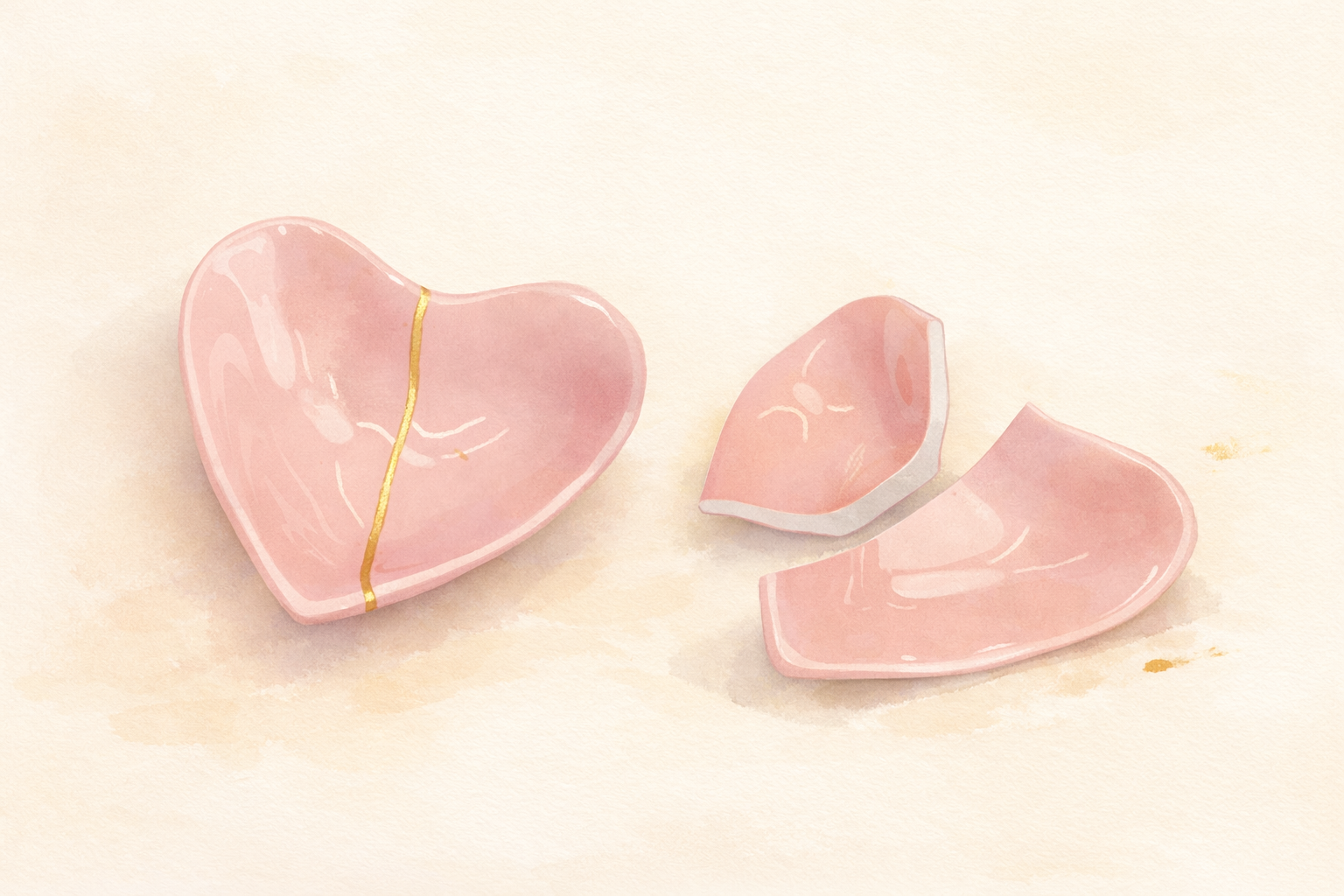
Kintsugi taught me that brokenness can become beauty, that value can be found in unexpected places, and that growth often begins when we slow down and reflect.
Perhaps the same is true for money.
The most important lessons are not about numbers at all.
They are about the choices we make, the habits we build, and the kind of people we become along the way.